
7 Video Editing Techniques to Improve Reel Retention
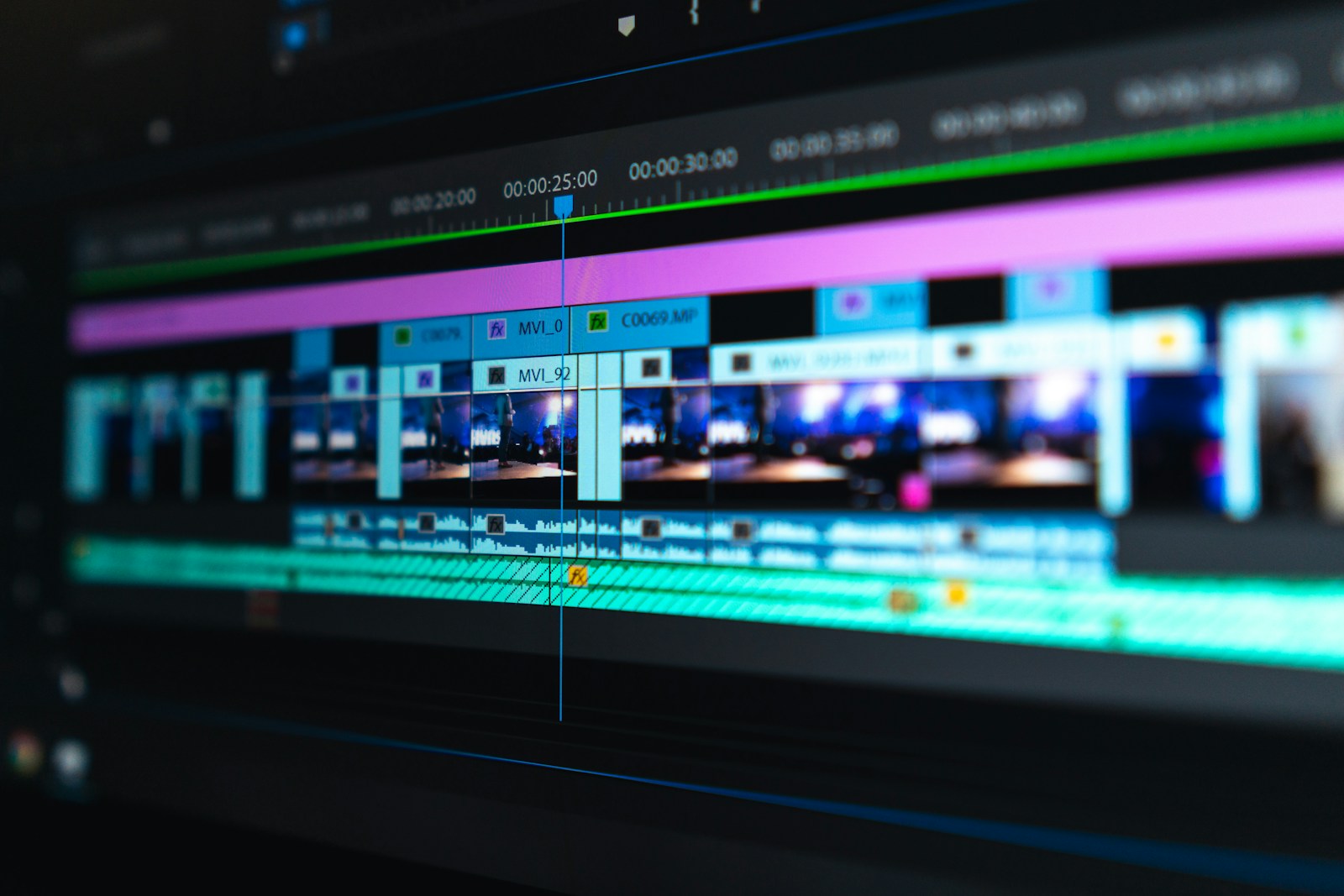
In the modern short-form video ecosystem, viewer attention is measured in fractions of a second. Whether crafting Instagram Reels, YouTube Shorts, or TikTok commercial campaigns, the difference between a high-performing video and one that gets scrolled past often comes down to precise editing decisions rather than expensive camera hardware.
1. The Combined Visual and Auditory Hook
Most viewers decide whether to stay or scroll within the first 1.2 to 2.0 seconds. A common pitfall is opening with a static title screen or allowing half a second of dead air before dialogue begins.
To maximize initial retention:
- Eliminate lead-in silence: Begin dialogue on frame one, or even tuck the first spoken syllable slightly before the visual cut.
- Couple dialogue with visual motion: Ensure the visual frame exhibits physical movement or a sudden angle change at the exact moment the opening hook phrase is delivered.
- Frame the premise immediately: State the core question, curiosity gap, or visual transformation within the first 3 seconds.
2. Micro-Pacing and Waveform Tightening
Pacing is the rhythm of your narrative. When editing dialogue, human speakers naturally leave small 200–500 millisecond pauses between thoughts. In conversational storytelling, these pauses can create micro-drop-offs.
Zoom in on your audio waveform and trim natural breathing gaps. While you must preserve natural cadence without sounding robotic, tightening conversational transitions keeps the pacing crisp and forward-moving.
3. Purposeful Pattern Interrupts
A pattern interrupt is any intentional shift in the visual or auditory presentation that resets the viewer's dopamine baseline. If your video remains on a single wide shot for more than 4 seconds, attention begins to drift.
"Pattern interrupts are not about chaotic effects; they are about giving the viewer’s eye a fresh perspective at the precise moment a new point is introduced."
Effective pattern interrupts include:
- Digital focal punch-ins: Scaling from a 100% framing to a 115% close-up on key emphasis words.
- Angle alternation: Switching between primary A-roll and secondary tight perspective.
- Text highlight animations: Highlighting critical words with clean color shifts.
4. B-Roll as Narrative Progression, Not Decoration
B-roll footage should never feel like random wallpaper inserted to hide an audio edit. Every cutaway must actively illustrate, clarify, or dramatize the specific sentence being spoken.
When presenting a physical product, showcase the texture, mechanism, or interaction rather than a generic floating angle. If describing an emotional state, cut to atmospheric lighting or macro environmental details that reinforce the tone.
5. Dynamic Caption Typography and Eye-Line Placement
Over 60% of social video content is consumed with low or muted volume in public spaces. Subtitles are no longer optional—they are an integral visual element of the composition.
Keep your captions positioned in the middle third of the vertical frame (avoiding the bottom interface icons of Reels and TikTok). Use clean, bold sans-serif typefaces with high-contrast background strokes or bounding boxes to ensure legibility across all screen sizes.
6. Layered Sound Design and Subconscious Acoustic Cues
Audio drives over half of the emotional engagement in video. A flat voiceover without spatial ambiance feels sterile.
- Subtle low-end impacts (booms): Underline major transitional shifts and key takeaway points.
- Texture risers and whooshes: Lead into visual cutaways 4–8 frames before the graphic appears.
- Atmospheric room tone: Ground studio recordings with subtle room presence or tailored background music ducked at -18dB to -24dB.
7. The Seamless Loop Strategy
Short-form algorithms reward re-watch loops. If the conclusion of your video seamlessly connects back into the opening sentence, viewers frequently watch the beginning twice before realizing the video has restarted.
Structure your script so the concluding thought flows grammatically and tonally into the opening statement without a definitive "Thank you for watching" sign-off.
Conclusion
High-retention editing is not about flashiness; it is about intentionality. By eliminating wasted frames, designing layered audio, and pacing your narrative with discipline, you respect your audience's time and create videos that leave a lasting visual impact.
Written by Mohammad Ariful Islam
Business Development Manager at DMark Network • Commercial Videographer & Visual Storyteller
Crafting high-impact commercial cinematography, short-form visual hooks, culinary stories, and brand films. Based in Dhaka, creating visuals worldwide.
Was this article helpful?
Share your quick feedback with a single anonymous click.
Comments(0)