
Beginner’s Guide to Better Product Photography

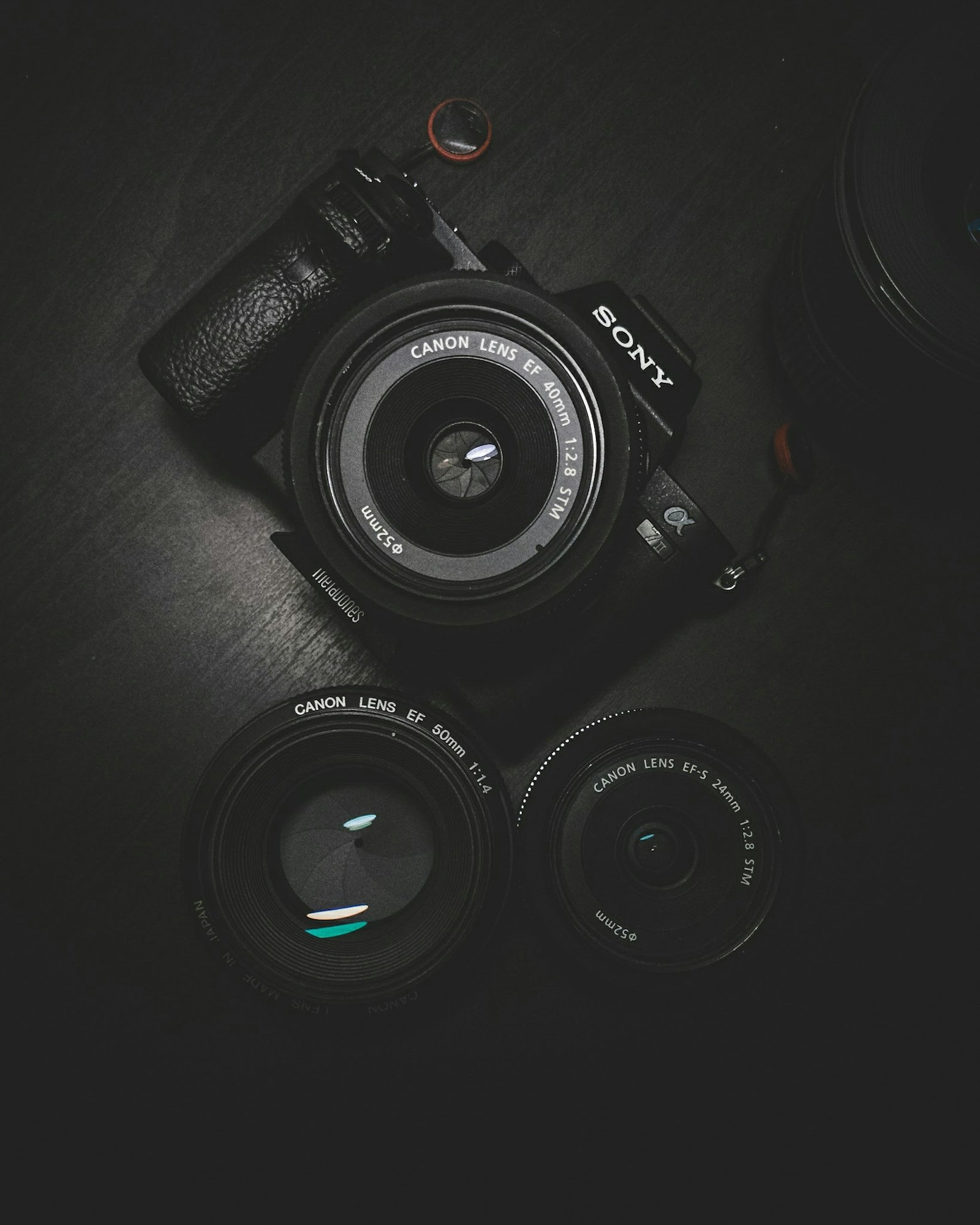
Commercial product photography is one of the most technical and rewarding disciplines in visual craft. Whether shooting consumer electronics, cosmetics, packaged goods, or handcrafted lifestyle items, mastering light control and precise composition is the key to creating images that command attention and drive conversions.
1. Understanding Light Quality: Hard vs. Soft Light
The single most important concept in product photography is light modification. Raw, direct light from a small bulb creates harsh shadows, blown-out specular hotspots, and unappealing edges.
To achieve professional commercial results:
- Use large diffusers: Pass your light source through a large softbox, scrim, or diffusion sheet. The larger the light source relative to the subject, the softer and smoother the light falloff across surfaces.
- Observe highlight gradients: A well-diffused light creates smooth, elegant gradient lines along bottle edges and metallic curves rather than harsh pinpoints.
2. Selecting Backgrounds and Seamless Surfaces
Your choice of background establishes the context and premium feel of the product:
- Seamless paper sweeps (Colorama / Savage): The industry standard for e-commerce catalog shots, eliminating horizontal horizon lines.
- Matte acrylic and Perspex sheets: Ideal for subtle, controlled reflections beneath luxury cosmetics and fragrances.
- Textured stone, wood, and linen: Great for organic skincare, artisanal beverages, and lifestyle brand storytelling.
3. Lens Selection and Perspective Compression
Avoid using wide-angle lenses (below 35mm) for close-up product photos, as they introduce barrel distortion and stretch product proportions.
Opt for lenses between 50mm and 90mm (or dedicated macro lenses). These focal lengths render products with accurate physical proportions, flat parallel lines, and pleasing compression that represents the physical item truthfully.
4. Managing Reflections on Glass and Shiny Surfaces
Photographing reflective surfaces like perfume bottles, watches, or polished metal requires controlling what the product "sees" in its environment.
"You do not light the reflective object directly; you light the surfaces that the object reflects back into your camera lens."
Use black foam core boards (flags) placed just outside the frame to introduce crisp, dark edge definitions along reflective chrome and glass boundaries.
5. The Pre-Shoot Cleanliness Checklist
High-resolution digital sensors capture every microscopic speck of dust, fingerprint, and hairline scratch. Cleaning your product before pressing the shutter will save you hours of Photoshop retouching.
- Wear white cotton or lint-free nitrile gloves when handling products.
- Use an air blower and microfiber cloth to remove dust particles between test shots.
- Keep canned air and glass cleaner on your studio workstation at all times.
6. An Affordable Two-Light Studio Setup
You do not need an array of ten expensive strobes to create stunning images. A simple two-light setup works for 90% of commercial products:
- Key Light (Main Softbox): Placed at a 45-degree angle to the side and slightly elevated, providing primary shape and dimension.
- Rim / Fill Light (Grid Softbox or Reflector): Positioned opposite the key light to define edges and separate the subject from the background.
7. Essential Post-Processing Adjustments
Develop your RAW files in Adobe Lightroom or Capture One with a focus on color accuracy. Match brand colors precisely by utilizing a neutral gray card during your initial exposure calibration, and finish with subtle frequency separation in Photoshop to clean up minor manufacturing imperfections.
Conclusion
Excellence in product photography is built on patience, micro-adjustments, and a deep understanding of light behavior. Focus on mastering one light at a time, keeping your sets clean, and perfecting your framing.
Written by Mohammad Ariful Islam
Business Development Manager at DMark Network • Commercial Videographer & Visual Storyteller
Crafting high-impact commercial cinematography, short-form visual hooks, culinary stories, and brand films. Based in Dhaka, creating visuals worldwide.
Was this article helpful?
Share your quick feedback with a single anonymous click.
Comments(0)