
How to Create Cinematic Restaurant Videos
Creating compelling culinary and hospitality video content requires far more than pointing a camera at a plated dish. A truly cinematic restaurant video captures the atmosphere, the craftsmanship behind the kitchen line, the sensory textures of food, and the distinct identity of the dining establishment.
1. Pre-Production and Kitchen Coordination
Working inside an active commercial kitchen is fast-paced, hot, and spatially constrained. Successful shoots depend entirely on meticulous pre-production planning with the head chef and restaurant management.
- Schedule during prep hours: Filming between 9:00 AM and 11:30 AM before lunch service allows you to control kitchen lighting, stage hero ingredients, and film without disrupting live dining operations.
- Establish a hero cooking station: Designate a single cooking station near a clean backdrop or window where lighting equipment can be safely positioned away from traffic paths.
- Prepare duplicate hero dishes: Always request two identical plates of the signature dish—one for hero garnish styling and one for action shots (carving, pouring, or sauce drizzling).
2. Capturing Architectural Atmosphere and Depth
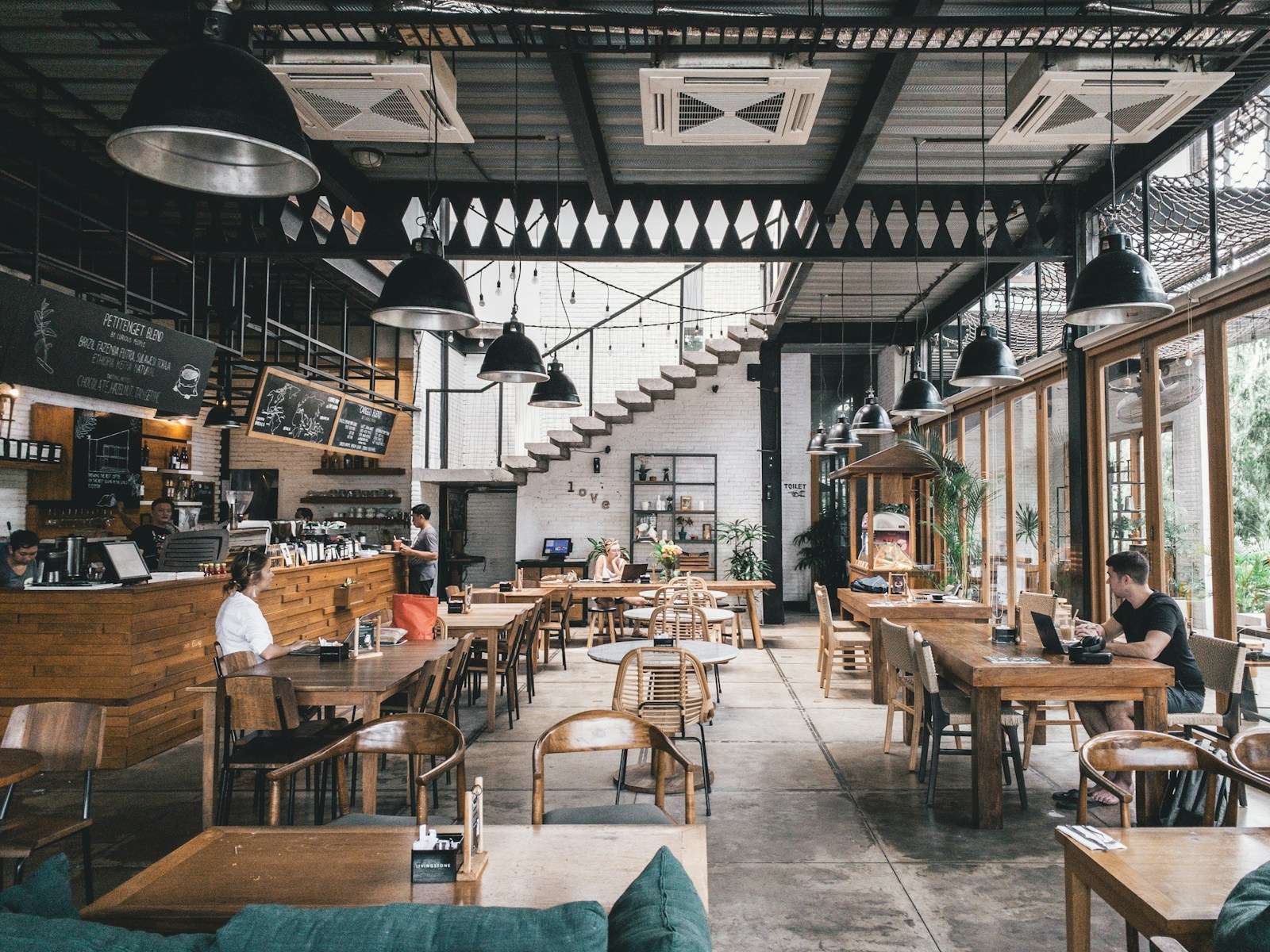
Begin your visual story with wide and medium environmental frames that establish the physical space. Use wide prime lenses (24mm or 35mm) to highlight unique interior design elements, ambient pendant lighting, and table arrangements.
Incorporate slow, motorized slider movements or gentle handheld parallax around foreground pillars to add cinematic depth and dimension to static dining spaces.
3. Lighting Food for Maximum Texture and Appetite Appeal
The golden rule of culinary cinematography is directional back-lighting and side-lighting. Front lighting flattens food and eliminates the natural glossy highlights that make dishes look appetizing.
"Place your key light behind the plate at a 45-degree angle. This back-light catches rising steam, illuminates sizzling oil textures, and creates natural specular reflections across sauces."
Use a white or silver bounce card in front of the dish to gently fill in shadowed details without destroying the dramatic contrast.
4. Intentional Frame Rates and Camera Motion
Varying your frame rates creates dynamic visual rhythm in the edit:
- 24 fps (Standard Motion): Ideal for natural conversational moments, chef plating techniques, and interior atmosphere shots.
- 60 fps to 120 fps (Slow Motion): Perfect for high-energy culinary actions—flambé flame bursts, sauce pours, cocktail shakes, parmesan grating, and slicing crisp bread.
5. Capturing Crisp Culinary Sound and Foley
Food is inherently acoustic. The crunch of a crispy crust, the sizzle of meat on a cast iron pan, the clinking of glasses, and the rhythmic chop of a knife provide critical sensory immersion.
Use a dedicated shotgun microphone positioned close to the cooking surface to record clean room tone and isolated sound effects during production. In post-production, mix these sounds crisply to elevate the visceral impact of your visuals.
6. Color Grading for Natural, Rich Gastronomic Tones
When grading food footage, color accuracy is paramount. An overly cool or teal-tinted grade can make warm cooked dishes look unappealing and artificial.
- Protect skin tones and warm food hues (oranges, warm yellows, rich deep reds).
- Maintain clean neutral whites on ceramic plates and white tablecloths.
- Add subtle contrast in the midtones to enhance the organic texture of fresh ingredients.
7. Dual-Format Delivery: 16:9 Brand Film & 9:16 Vertical Reels
Modern hospitality clients require versatile assets. Plan your framing with vertical guidelines enabled on your camera monitor so that every horizontal master shot can be cleanly cropped for social reels without compromising composition.
Conclusion
Cinematic restaurant videography is a fusion of documentary observation and stylized commercial lighting. By prioritizing kitchen collaboration, intentional directional light, and immersive sound design, you transform a dining venue into an unforgettable visual experience.
Written by Mohammad Ariful Islam
Business Development Manager at DMark Network • Commercial Videographer & Visual Storyteller
Crafting high-impact commercial cinematography, short-form visual hooks, culinary stories, and brand films. Based in Dhaka, creating visuals worldwide.
Was this article helpful?
Share your quick feedback with a single anonymous click.
Comments(0)